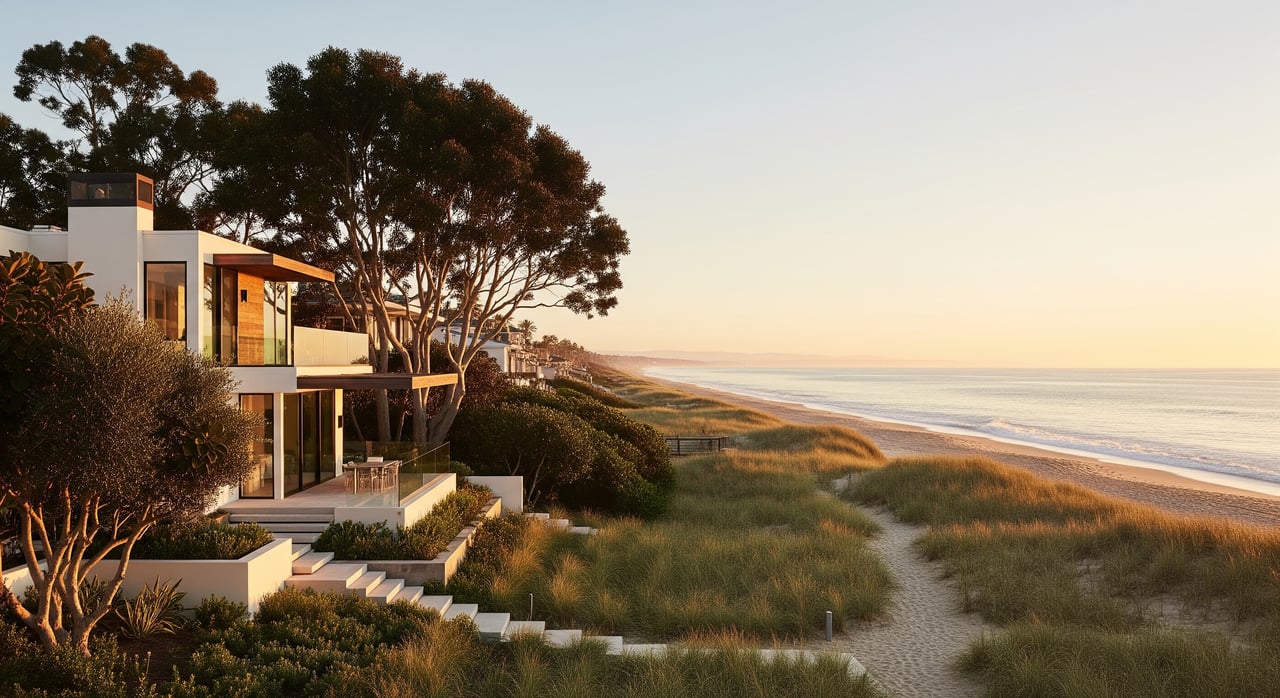
Torn between the Sand and Tree Sections of Manhattan Beach? You are not alone. Both areas offer a premium coastal lifestyle, yet they feel very different day to day. In a few minutes, you will understand the key tradeoffs and have a simple framework to decide which micro-area fits your life now and later. Let’s dive in.
Sand vs. Tree: What locals mean
In Manhattan Beach, the terms are local shorthand rather than formal zoning names. The Sand Section refers to homes along the Strand and the blocks just inland, where beach access and ocean views drive value. The Tree Section sits farther inland with tree-lined streets and larger lots that feel more suburban within the city. Boundaries can blur by block, so confirm a property’s exact location with MLS maps or the City of Manhattan Beach.
Lot size and outdoor space
The Sand Section typically offers narrower lots and smaller private yards. Many homes are multi-story to make the most of a compact footprint. You trade private outdoor space for immediate access to public beach open space.
The Tree Section tends to provide larger, deeper lots with more setback and usable yards. You often see bigger patios, lawns, and room for gardens or a pool. If you are weighing an ADU, the Tree Section usually gives you more options, subject to zoning and setbacks.
When you compare properties, check the lot square footage, setbacks, and whether easements or alley access affect usable space. The City’s Planning Department and Los Angeles County Assessor can confirm parcel details.
Beach access and views
If daily beach walks and ocean views top your list, the Sand Section usually wins. Many homes are steps to the Strand and downtown, and select properties offer direct ocean views.
If you prefer privacy and a quieter residential feel, the Tree Section stands out. Most interior lots do not have ocean views, and the walk to the sand can take 5 to 15 minutes depending on the block. Your tradeoff is better privacy and more yard.
Architecture and age
The Sand Section mixes modern multi-story rebuilds, townhome-like layouts, and remodeled beach cottages. Newer builds often maximize height within local design rules to capture light and any possible views.
The Tree Section shows more variety. You will find traditional single-family homes, mid-century designs, Craftsman elements, and custom builds on larger lots. Bigger garages and more storage are common, which can suit households with gear, hobbies, or multiple cars.
For remodels, coastal exposure can add complexity near the beach, while larger inland lots make expansions or teardowns more feasible. Always verify permits and design guidelines before budgeting a project.
Traffic, parking, and street feel
Near the Strand and downtown, the Sand Section sees more pedestrian and bike activity, especially on weekends and evenings. Streets can be narrow by the beach, and street parking may be limited or restricted in certain areas.
The Tree Section typically offers calmer residential streets and easier on-street parking. Driveways and garages are often larger, which helps if you have multiple vehicles or frequent guests.
Noise, privacy, and lifestyle fit
The Sand Section brings you into the heart of the beach lifestyle with more activity, especially near the Pier and downtown. If you value walkability to restaurants and the Strand, this can be a plus.
The Tree Section tends to offer more privacy and quieter evenings. If you want a backyard to unwind, host, or garden, this area may better fit your daily rhythm.
Permits, zoning, and coastal rules
Manhattan Beach is a coastal city with local zoning and design review. Properties near the shoreline can involve additional coastal considerations. For any future work, consult the City’s Planning and Building Departments, and when applicable, the California Coastal Commission.
Design overlays, demolition rules, and height limits can vary by block. Short-term rental rules and local parking programs also change over time. Confirm current regulations with the City Clerk or Planning.
Market and resale basics
Both areas are highly desirable, but demand can differ by season and price range. Homes with strong ocean views often draw fast interest, while larger Tree Section homes appeal to buyers who value space and storage.
For current numbers, pull two side-by-side data sets using your agent’s MLS access:
- Set 1: Sand-proximity comps within about one block of the Strand, last 6 to 12 months.
- Set 2: Tree Section comps on similar lot sizes and home condition, same date range.
- Capture median sale price, price per square foot, and days on market. Note the time period and any outliers.
- Cross-check lot sizes and tax history with Los Angeles County Assessor records.
Use these live metrics to understand premiums and to plan your offer strategy.
Inspection and insurance essentials
Coastal homes face unique conditions. Close to the beach, salt air can accelerate corrosion on metal fasteners, railings, decks, and exterior finishes. Have your inspector evaluate these items, along with the roof and windows.
Insurance can differ as well. Coastal proximity may increase premiums and may require flood insurance. Review FEMA flood maps and the City’s floodplain maps for zones and elevation. Ask the seller for any prior claims and flood history.
Tree Section properties generally present more conventional conditions, but you should still check for termites, drainage issues, and standard structural items. For any property, request permit history, certificate of occupancy, and seller disclosures.
A simple decision framework
Put structure around your choice with three weighted priorities. Score each property 1 to 10, then multiply by your weight for each category.
- Beach proximity and walkability priority (weight 0 to 100)
- Lot size and private outdoor space needed (weight 0 to 100)
- Privacy, quiet, and parking needs (weight 0 to 100)
Tie-breakers: expected resale appeal, renovation feasibility, and insurance cost. This keeps the decision grounded in what matters most to you.
Touring checklist for both sections
Bring this with you and note answers in writing:
Records and permits
- Permit history, certificate of occupancy, and any open or past violations
- Seller disclosures, including flood and insurance claims, corrosion or termite history
- Recent utility bills to estimate ongoing costs
Structure and systems
- Foundation, floor levelness, and signs of settlement
- Roof age and coastal-grade materials near the beach
- HVAC, plumbing, electrical age and permits
- Exterior finishes, decks, and railings for rust or wood rot
Site and parking
- Setbacks, usable yard area, and privacy buffers
- On-site parking capacity and garage access
- Drainage and any standing water after storms
Neighborhood and lifestyle
- Walk the route to the Strand and downtown at varied times
- Observe noise, bike and pedestrian activity, and parking patterns
- Note proximity to schools, transit, grocery, and medical services
Legal and regulatory
- FEMA flood zone and any coastal overlays
- Short-term rental permissibility, local parking rules
- Any special districts or design guidelines that affect future work
Next steps and off-market access
If you are close to a decision, move quickly and methodically. Ask your agent to prepare fresh MLS comps for both sections, order a permit history search, and line up a coastal-experienced inspector. If a remodel is in play, confirm setbacks and height limits with Planning before you price a project.
Off-market opportunities are common in these micro-areas. A local agent with deep relationships can target specific blocks, circulate buyer letters, and tap pocket listings. If you want access to private opportunities and a pragmatic view on construction or relocation logistics, reach out to Cheryl-Lynn & Robert Real Estate to start a focused Manhattan Beach search.
FAQs
What is the main difference between Sand and Tree Sections?
- The Sand Section prioritizes immediate beach access and potential views on smaller lots, while the Tree Section offers larger lots, more private outdoor space, and a quieter residential feel.
How do I compare prices between the two areas today?
- Ask your agent to pull MLS comps for the last 6 to 12 months: one set within about one block of the Strand, and one set in the Tree Section with similar lot sizes and condition, then compare median price, price per square foot, and days on market.
Are zoning and permits different near the beach in Manhattan Beach?
- Properties close to the shoreline can involve additional coastal considerations and design review; always confirm requirements with the City’s Planning and Building Departments and, when applicable, the California Coastal Commission.
Will I need flood insurance for a Sand Section home?
- It depends on the property’s flood zone and lender requirements; review FEMA flood maps and the City’s floodplain maps, then obtain insurance quotes early in the process.
Is it easier to add an ADU in the Tree Section?
- Often yes due to larger lots, but final feasibility depends on parcel setbacks, zoning, and utility capacity; verify with the City’s Planning Department and check for any unpermitted structures.
What should I look for during a coastal home inspection?
- In addition to standard items, have your inspector evaluate salt-air corrosion on metal components, exterior finishes, decks, railings, and coastal-grade roofing and window materials.