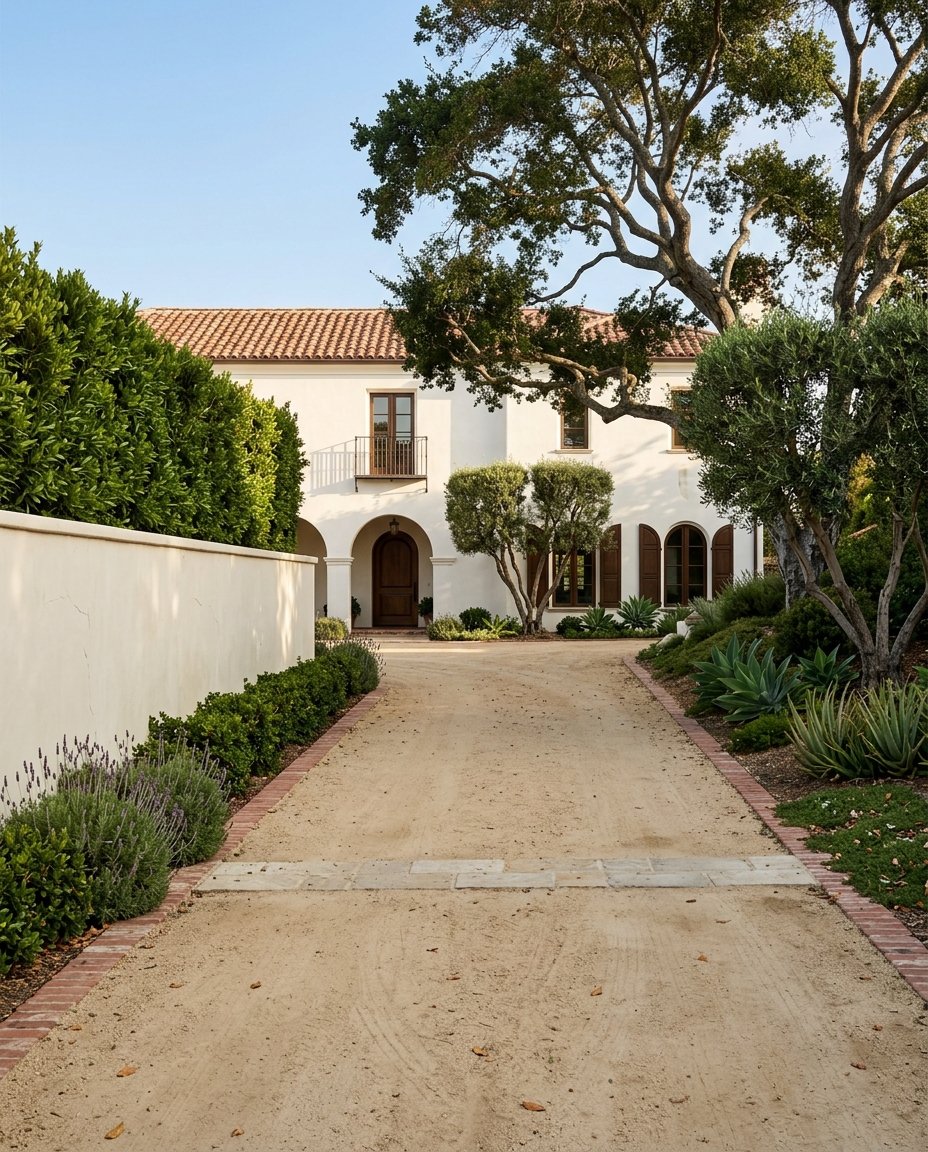
If you are wondering whether Rolling Hills feels like a typical Los Angeles neighborhood, the short answer is no. Life here is shaped by privacy, space, and a very specific rural estate feel that is hard to find elsewhere in the region. If you are considering a move to this part of the Palos Verdes Peninsula, it helps to know what daily life really looks like before you buy. Let’s dive in.
Rolling Hills at a Glance
Rolling Hills is a small, private gated city on the Palos Verdes Peninsula with a character that feels more like an estate enclave than a standard suburb. According to the Rolling Hills Community Association, the city and the association share the same boundaries, the community sits on private property, and access is through three gates staffed 24 hours a day, 7 days a week.
It is also a very small community by Los Angeles County standards. The city’s housing element reports 1,739 residents and 702 housing units, and the area has been largely built out for decades with very limited room for new development.
Privacy Shapes Daily Life
The biggest lifestyle feature in Rolling Hills is privacy. Gate access, private roads, and controlled entry all create a setting that feels quiet, removed, and highly managed compared with nearby Peninsula and South Bay neighborhoods.
That privacy carries into everyday routines. Guests, deliveries, ride-share services, and service providers generally need to be placed on a resident’s guest list and show identification at the gate. For many buyers, that level of control is a major draw. For others, it is an adjustment.
A Rural Feel in Los Angeles County
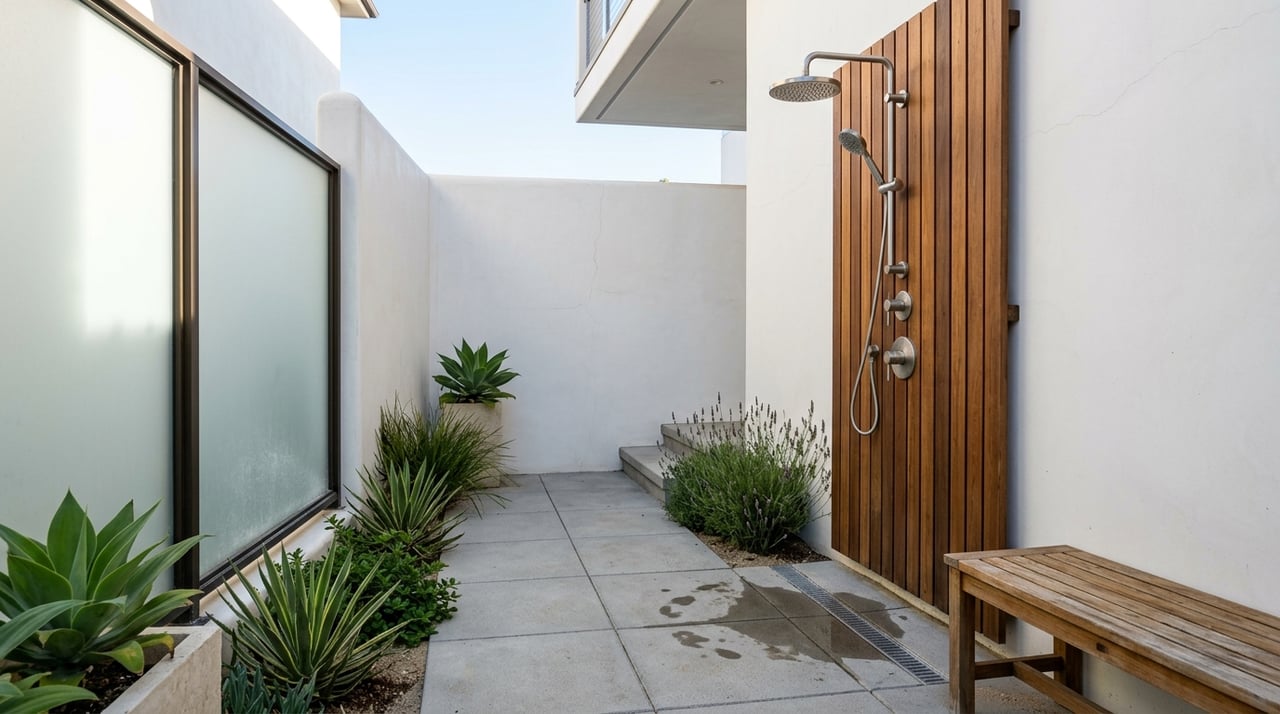
One of the most distinctive things about living in Rolling Hills is the rural atmosphere. Zoning is designed to preserve equestrian facilities, protect natural terrain, and avoid the kind of built environment that feels overly paved or dense.
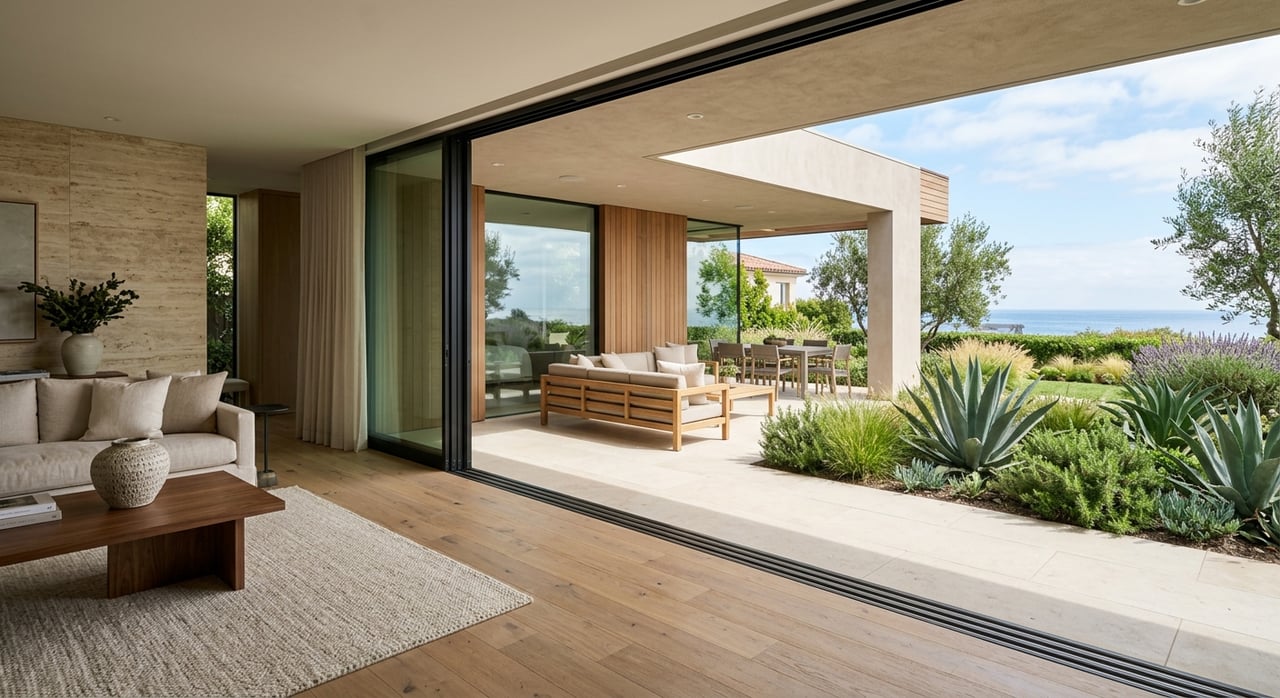
That means you get a community with large lots, open views, and homes that sit well back from the road. Depending on the property, you may see coastline, Catalina Island, canyon, or downtown Los Angeles views, along with a more pastoral setting than many buyers expect in Los Angeles County.
Homes Are Large and Spread Out
Rolling Hills homes are mostly detached single-family properties. The city’s housing element states there are no multifamily units, and most of the housing stock consists of single-family homes on substantial parcels.
Lot sizes are unusually large. The city code sets minimum net lot areas at 43,560 square feet in RA-S-1 zones and 87,120 square feet in RA-S-2 zones, with minimum lot widths of 150 feet. In practical terms, that gives the neighborhood its spacious look and helps preserve separation between homes.
Many properties also offer a scale that appeals to buyers who want room to spread out. About 74% of homes have four or more bedrooms, the median home has 8.3 rooms, and 46% of homes have nine or more rooms.
The Architecture Is Carefully Controlled
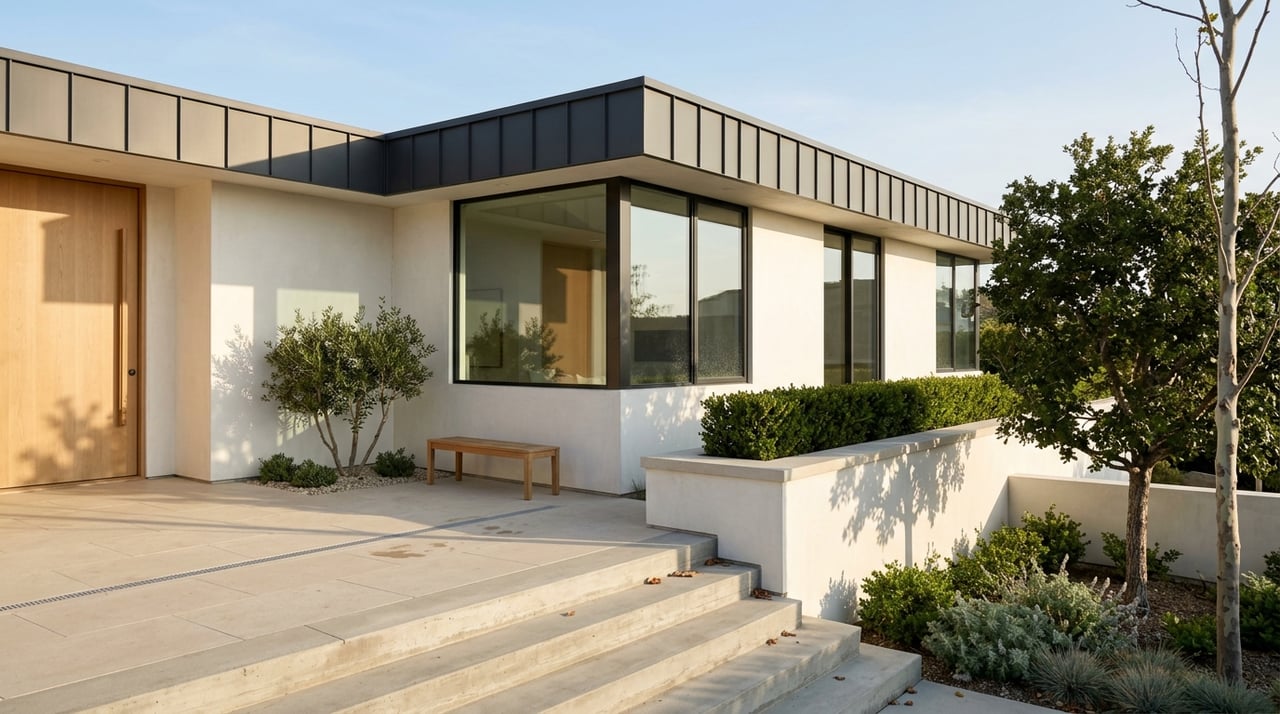
Rolling Hills has a very intentional visual identity. The community association says building regulations are meant to preserve single-family, low-profile, one-story homes with ranch-style character.
Exterior changes are not casual here. All exterior construction requires Architectural Committee approval and a building permit, and there are published rules covering items like paint color, roof materials, fence design, additions, and new construction.
That level of oversight is a big part of why the community feels so consistent. For buyers, it is important to understand that you are not just purchasing a home. You are buying into a closely managed environment with clear design standards.
Equestrian Living Is Central Here
In Rolling Hills, horses are not just a nice extra. They are part of the community’s identity. The Rolling Hills Community Association describes the area as equestrian in nature, and that shows up in how the city is planned and used.
The community has nearly 30 miles of recognized bridle trails, plus two riding rings: the Caballeros Ring and the Clif Hix Ring. The Caballeros Ring area also includes hitching posts and a picnic area, which adds a social element to the riding lifestyle.
Even if you are not an equestrian yourself, this horse-centered design affects the overall pace and character of the neighborhood. Trails, open land, and rural zoning all reinforce the sense that Rolling Hills is operating on a different rhythm than nearby coastal or suburban areas.
Community Life Is Active but Low-Key
Because Rolling Hills is small and private, social life often centers on community clubs and recurring local events. The Rolling Hills Community Association highlights organizations like the Caballeros horse club, the Rolling Hills Tennis and Social Club, and the Women’s Community Club.
These groups host activities such as trail rides, pancake breakfasts, monthly luncheons, tennis socials, holiday events, and neighborhood gatherings. For new residents, that can create a built-in way to meet neighbors and become part of the community over time.
This is not the kind of place where activity revolves around a busy commercial district. Instead, the social fabric tends to be more residential, club-based, and community-oriented.
Access and Logistics Matter
One of the most important things to understand about living in Rolling Hills is that logistics work differently here. The community association handles gate operations, easements, road and trail maintenance, architectural review, and several other functions that directly affect day-to-day living.
The city and the community association have separate roles. The City of Rolling Hills handles matters such as planning and zoning, building and grading permits, storm water management, animal control, solid waste collection, and public safety coordination. The RHCA handles many of the private community systems that residents interact with regularly.
That structure means life can feel more appointment-oriented than in a conventional neighborhood. Visitors, workers, deliveries, and even real estate showings follow specific procedures.
Buying Here Requires Local Guidance
Rolling Hills is a market where process matters. The RHCA notes that agents showing property must bring buyers in their own vehicle, be listed on the guest list for the home being shown, and avoid including the house number in public advertising to help preserve privacy.
For buyers, this means home shopping in Rolling Hills can feel more curated and less casual than in other neighborhoods. It also means local knowledge is especially valuable, because the practical details of access and approvals can affect both your search and your ownership experience.
Ownership Comes With More Rules
Rolling Hills offers acreage, views, and privacy, but those benefits come with added responsibilities. The community association levies an annual assessment based on assessed valuation, and homeowners are responsible for certain maintenance obligations, including keeping drains in working order and perimeter easements unobstructed.
Exterior upkeep is also more regulated than in many neighborhoods. Rules cover items such as fencing, architectural modifications, and general visual consistency, which helps maintain the community’s established look.
For some buyers, that is exactly the appeal. If you value order, consistency, and a protected setting, these rules may feel reassuring. If you prefer a more flexible ownership experience, it is worth understanding the tradeoffs early.
Fire Readiness Is Part of Life
Rolling Hills and the broader Palos Verdes Peninsula are located in a Very High Fire Hazard Severity Zone, according to the RHCA. Because of that, fire preparation is part of normal homeownership here.
The association emphasizes defensible space, brush management, evacuation-route access, and homeowner responsibility for property maintenance. Buyers considering the area should view this as part of the regular planning that comes with owning property in this landscape.
Public safety services are coordinated regionally as well. City records state that Rolling Hills, Rolling Hills Estates, and Rancho Palos Verdes jointly contract with the Los Angeles County Sheriff’s Department for law enforcement, while the Peninsula cities contract with the Los Angeles County Fire Department for fire suppression, Fire Code enforcement, paramedic services, and ambulance service.
How Rolling Hills Compares Nearby
Compared with other Peninsula and South Bay neighborhoods, Rolling Hills stands out for being more secluded, more rural, and more rule-bound. It is not primarily about walkability, retail convenience, or a traditional suburban street-grid feel.
Instead, the appeal is space, controlled access, large lots, views, and a strong equestrian identity. If that lifestyle matches what you want, Rolling Hills can feel remarkably special. If you want a more casual in-and-out daily routine, nearby areas may fit better.
Who Usually Loves Living Here
Rolling Hills tends to appeal to buyers who place a high value on privacy and land. It can also be a strong fit if you appreciate architectural consistency, a quieter environment, and a neighborhood identity that feels distinct from the rest of Los Angeles County.
You may especially enjoy living here if you are looking for:
- Large lots and separation between homes
- A gated setting with controlled access
- Equestrian amenities and bridle trails
- One-story ranch-style character and regulated design standards
- A quiet, community-based social environment
- A more secluded Peninsula lifestyle
In short, Rolling Hills is less about convenience-driven living and more about intentional living. It offers a rare combination of acreage, scenery, privacy, and tradition.
If you are exploring Rolling Hills or comparing Peninsula neighborhoods, working with a local team can help you understand not just the homes, but the day-to-day realities that come with them. To learn more about this unique market or access local guidance, connect with Cheryl-Lynn & Robert Real Estate.
FAQs
What is daily life like in Rolling Hills, California?
- Daily life in Rolling Hills is private, quiet, and highly structured around gated entry, guest-list access, large residential lots, and community rules that shape everything from visitors to exterior home changes.
Are homes in Rolling Hills mostly large single-family properties?
- Yes. The city’s housing element says Rolling Hills is made up almost entirely of single-family homes, and many properties have four or more bedrooms on unusually large lots.
Is Rolling Hills known for equestrian living?
- Yes. Rolling Hills is strongly identified with equestrian living, with nearly 30 miles of recognized bridle trails, two riding rings, and zoning intended to preserve horse-related uses and rural character.
Is Rolling Hills more private than nearby Palos Verdes neighborhoods?
- In general, yes. Its private-property structure, staffed gates, controlled access, and large-lot layout make it feel more secluded and regulated than many nearby Peninsula and South Bay neighborhoods.
What should buyers know before moving to Rolling Hills?
- Buyers should understand the community’s gate procedures, architectural approval process, ongoing maintenance expectations, annual assessment structure, and fire-preparedness responsibilities before purchasing a home there.