If you are drawn to privacy, acreage, and a quieter Peninsula lifestyle, Rolling Hills can feel unlike almost anywhere else in Los Angeles County. But living behind the gates here comes with a very specific set of rules, approvals, and daily routines that you should understand before you buy. This guide walks you through how Rolling Hills works, what the HOA-style structure looks like, and what day-to-day life can really feel like so you can decide if it fits your goals. Let’s dive in.
How gated living works in Rolling Hills
Rolling Hills is not just a neighborhood with a gate at the entrance. According to the Rolling Hills Community Association, or RHCA, the entire community is on private property, there is no public property inside the city, and the roads sit on association easements. Access is controlled through three staffed gates that operate 24 hours a day.
That setup creates a different living experience than you may find in many other gated communities. Official city planning documents describe Rolling Hills as a rural, equestrian residential community with large lots, no public roads, no public transit, and no commercial uses inside the gates. In practical terms, that usually means you will drive outside the city for most errands, services, dining, and work.
City versus RHCA responsibilities
One of the most important things to understand is that Rolling Hills is governed by both the City of Rolling Hills and the RHCA. These are separate bodies, and each has its own responsibilities. If you are buying here, knowing who handles what can save you time and frustration.
RHCA states that it handles architectural review, RHCA building permits, easements, gate operations, common-area maintenance, and some view-related matters. The city handles public safety, planning and zoning, building and grading permits, stormwater management, animal control, and solid-waste collection.
Here is a simple way to think about it: many projects and property decisions may involve both entities. If you want to make exterior changes, add structures, replace fencing, or plan a major improvement, you may need approval from the association and the city.
What the rules mean for homeowners
Rolling Hills is known for a consistent, low-profile look, and that is not accidental. RHCA’s Architectural Committee reviews exterior construction and issues RHCA building permits. It can also place a stop order on work that moves forward without permission.
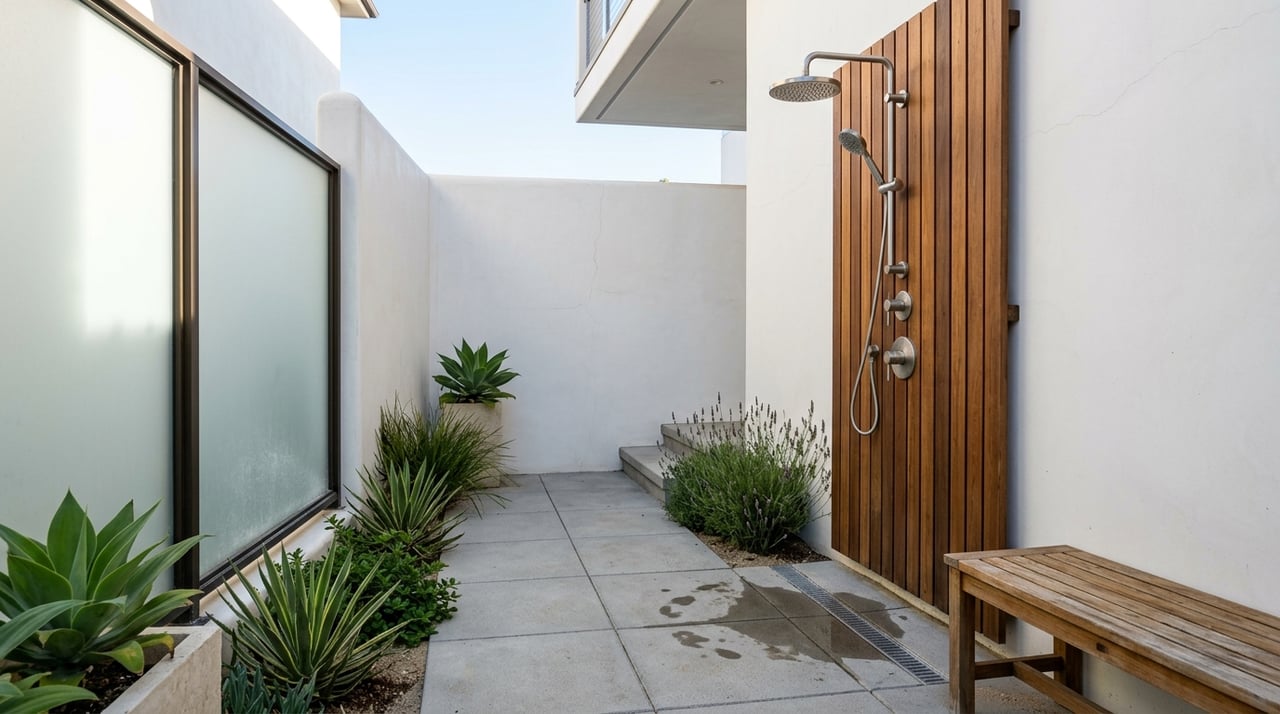
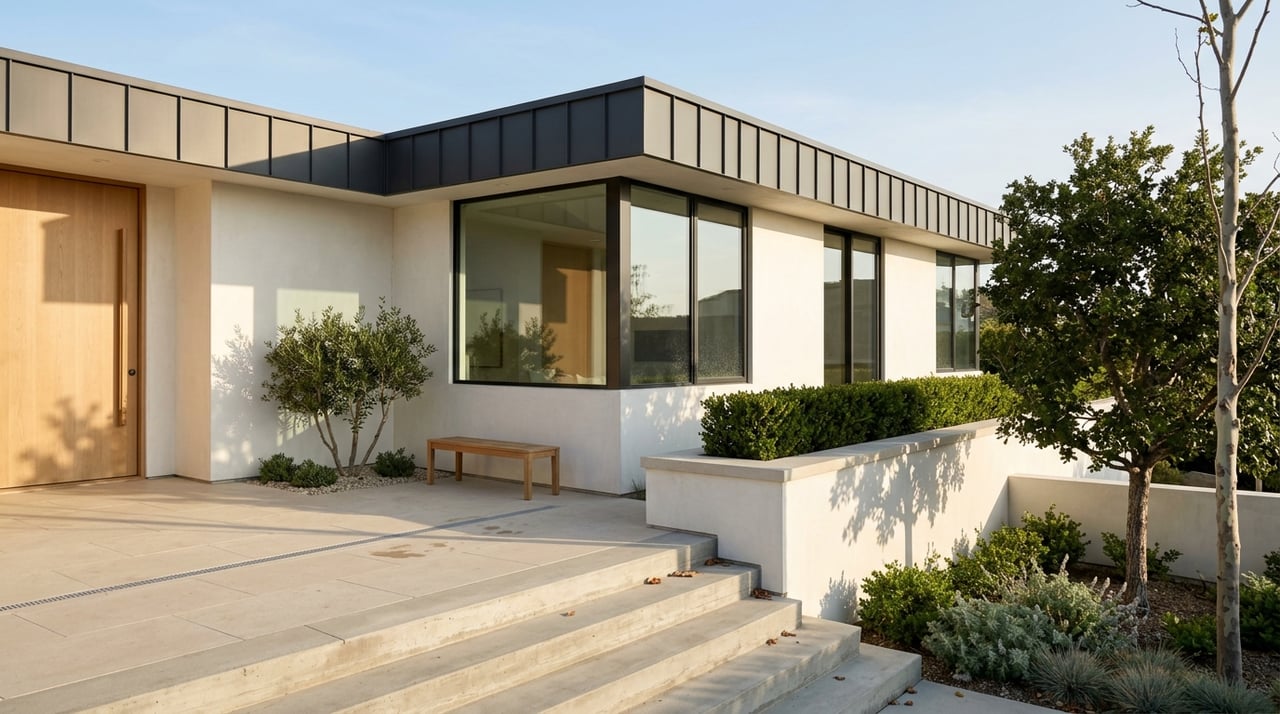
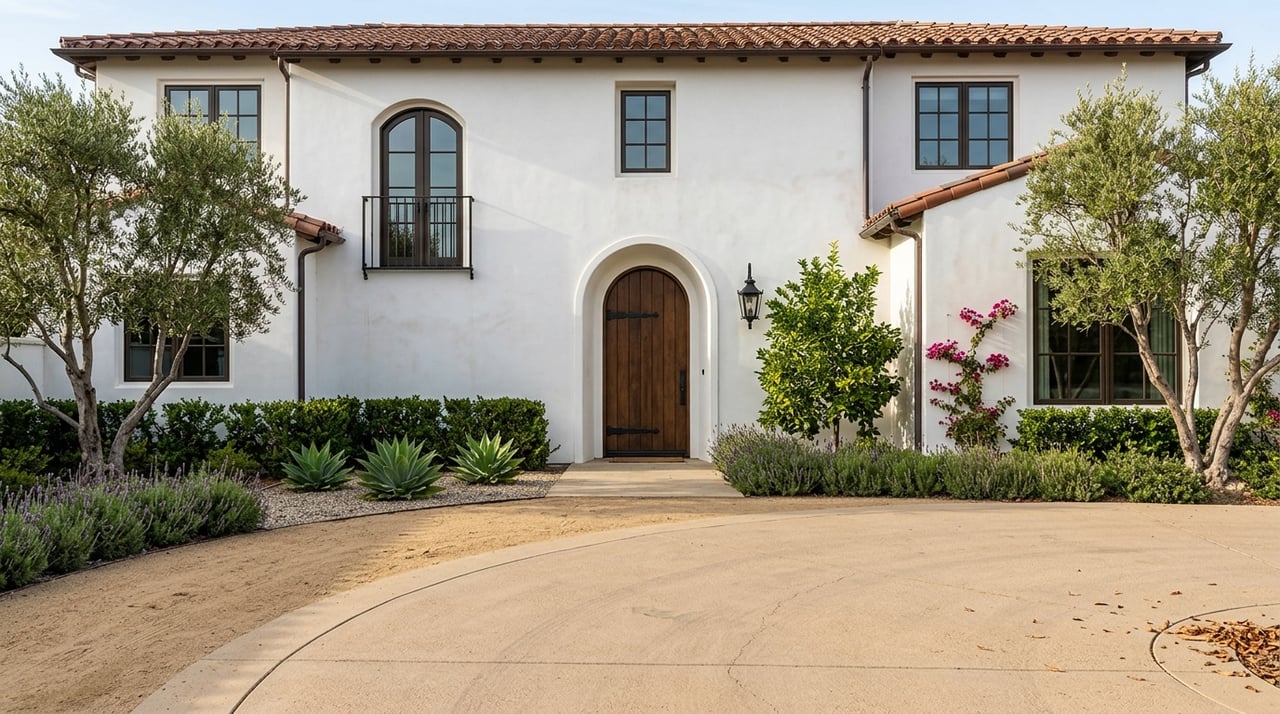
The stated goal is to preserve the community’s single-family, ranch-style character. RHCA describes white exteriors and earth-tone trim as the norm, and it expects new homes and additions to fit the traditional or contemporary Rolling Hills ranch aesthetic.
Exterior changes are closely reviewed
If you are used to a typical suburban HOA, the level of detail here may feel more hands-on. RHCA says new or replacement perimeter fencing should generally be white three-rail fencing, and fence work requires a survey and permit. Roofs must use approved fire-retardant materials, and exterior lighting is subject to both city and RHCA review.
New construction and additions require approval from both the city and RHCA. Private tennis courts and riding rings also need city permits and RHCA design approval. If you are planning to personalize a property, it is smart to treat due diligence on approvals as a major part of your buying process.
Easements, drainage, and upkeep matter
Ownership responsibilities in Rolling Hills go beyond the home itself. RHCA notes that easements must remain clear and that drains are the homeowner’s responsibility. On larger lots, these practical details can have a bigger impact on maintenance planning and long-term costs.
RHCA also posts an annual assessment rate of 20 cents per $100 of assessed value. For buyers comparing Rolling Hills with other Peninsula options, that is an important cost item to review early alongside taxes, insurance, and property maintenance.
Privacy rules shape daily life
Privacy is one of Rolling Hills’ biggest draws, but it is also one of the reasons the rules are more structured. RHCA’s gate policies were adopted to reduce drive-through traffic and preserve privacy. That affects how guests, workers, service providers, and even prospective buyers enter the community.
Guests, delivery drivers, ride-share services, and contractors generally need authorization and identification at the gate. Workers are generally limited to entry Monday through Saturday during business hours. Realtors may show property only during set hours, and prospective buyers must be brought in using the Realtor’s vehicle.
RHCA also states that authorized non-residents may travel to and from the host home, but they may not use the roads or trails for recreation unless accompanied by the resident. Public advertising should not include a house number, and appraisers need owner permission to photograph homes for comparable sales.
What that means for you
For some buyers, these rules feel like a fair trade for privacy and reduced through-traffic. For others, they can feel more procedural than a traditional neighborhood. If you entertain often, rely on frequent vendors, or prefer a more open-access setting, it is worth thinking carefully about how that gate process fits your routine.
The equestrian lifestyle is central
Rolling Hills has a strong horse-friendly identity, and that is a major part of its appeal. RHCA says the community has 26 miles of bridle trails, while its trail page describes nearly 30 miles of recognized trails. Either way, the trail system is a defining feature of the area.
The community also includes two riding rings and three tennis courts. Rather than commercial amenities or public parks, the shared spaces here are built around outdoor recreation and the area’s longstanding equestrian character.
Trail and riding access is managed
Trail access is private and rule-based. RHCA states that trails are open to equestrians with RHCA-issued trail badges and to pedestrians when accompanied by a resident. Bicycles and motor vehicles are prohibited on the trails.
Rides are limited to daylight hours unless the board grants special permission. Riders entering through certain gates must check in with gate personnel, and the riding rings are restricted to residents and their guests. Unauthorized use can affect trail-badge privileges.
Social life has a club element
Rolling Hills is private, but it is not necessarily isolated. RHCA highlights resident groups such as Caballeros, which supports riding, hiking, and social activities, along with the Rolling Hills Tennis and Social Club, which organizes tournaments and social events.
For many buyers, that mix of large private lots and optional community involvement is part of the value. You can have space and separation at home while still having ways to connect with neighbors through shared interests.
Fire safety is a major ownership factor
In Rolling Hills, wildfire readiness is not a side note. RHCA says Rolling Hills and the entire Palos Verdes Peninsula are designated by California as a Very High Fire Hazard Severity Zone. That designation should be part of your planning from day one.
RHCA’s fire strategies focus on defensible space and improved evacuation routes. City hazard documents also describe steep terrain, narrow private roads, and evacuation considerations, including a one-way exit option at Crest Road East during wildfire response.
Why this matters before you buy
If you are considering Rolling Hills, fire safety should be part of your property evaluation, not just your insurance conversation. You will want to understand lot conditions, vegetation management, roof materials, drainage, access, and how the home has been maintained over time.
This is also where local guidance matters. A home with acreage, private access considerations, and equestrian features can come with a very different risk and maintenance profile than a more conventional property elsewhere on the Peninsula.
Is Rolling Hills the right fit for your lifestyle?
Rolling Hills tends to be a strong fit if you want privacy, large lots, an equestrian setting, and a highly consistent residential character. The private roads, gated access, and design controls all support that experience. Buyers who value discretion and a quieter environment often see those features as part of the appeal.
At the same time, this is probably not the best fit if you want minimal HOA interaction, easy walkability to shops and services, or a more convenience-oriented suburban setup. Official city documents note there are no commercial uses or public transit within the city, and the roads are narrow and winding with no curbs, gutters, or sidewalks.
Questions to ask before you move forward
If you are seriously considering a home in Rolling Hills, it helps to ask practical questions early:
- How often will you need guests, vendors, or service providers to access the property?
- Are you comfortable with architectural review for exterior changes?
- Do you want horse facilities or trail access, or are those features less important to you?
- Are you prepared for acreage upkeep, drainage responsibilities, and fire-preparedness planning?
- Does a car-dependent daily routine work for your household?
The answers can tell you a lot about whether the lifestyle matches what you want, not just what looks appealing on paper.
Why local guidance matters here
Rolling Hills is one of those communities where the details truly shape the ownership experience. Gate procedures, association approvals, fire-zone considerations, trail access, and property maintenance all have real lifestyle implications. A home can be beautiful and still be the wrong match if the rules and routines do not align with how you want to live.
That is why local context matters so much when you are buying or selling here. Understanding the difference between the city and RHCA, the approval process for improvements, and the tradeoffs that come with private gated living can help you move with more confidence.
If you are exploring Rolling Hills or preparing to sell a property here, Cheryl-Lynn & Robert Real Estate can help you navigate the details with local insight, clear communication, and a high-touch approach tailored to Peninsula living.
FAQs
What makes Rolling Hills different from a typical gated community?
- Rolling Hills is a fully private community where RHCA states there is no public property inside the city, roads sit on association easements, and access is controlled through three staffed gates operating 24/7.
What does the Rolling Hills Community Association handle?
- RHCA handles architectural review, RHCA building permits, easements, gate operations, common-area maintenance, and some view matters, while the City of Rolling Hills handles planning, zoning, public safety, grading permits, stormwater management, animal control, and trash collection.
What home changes need approval in Rolling Hills?
- According to RHCA, new construction, additions, exterior lighting, fencing, private tennis courts, and riding rings may require RHCA review and, in many cases, city approval as well.
How do guest and vendor entry rules work in Rolling Hills?
- RHCA states that guests, service providers, food deliveries, ride-share services, and many workers need authorization and identification at the gate, with workers generally limited to Monday through Saturday during business hours.
Are there horse trails and recreation amenities in Rolling Hills?
- Yes. RHCA says the community has an extensive bridle-trail system, two riding rings, and three tennis courts, with access rules that apply to residents, guests, and approved trail users.
What should buyers know about wildfire risk in Rolling Hills?
- RHCA says Rolling Hills is in a California-designated Very High Fire Hazard Severity Zone, and city materials note steep terrain, narrow private roads, and evacuation planning considerations that buyers should review carefully.