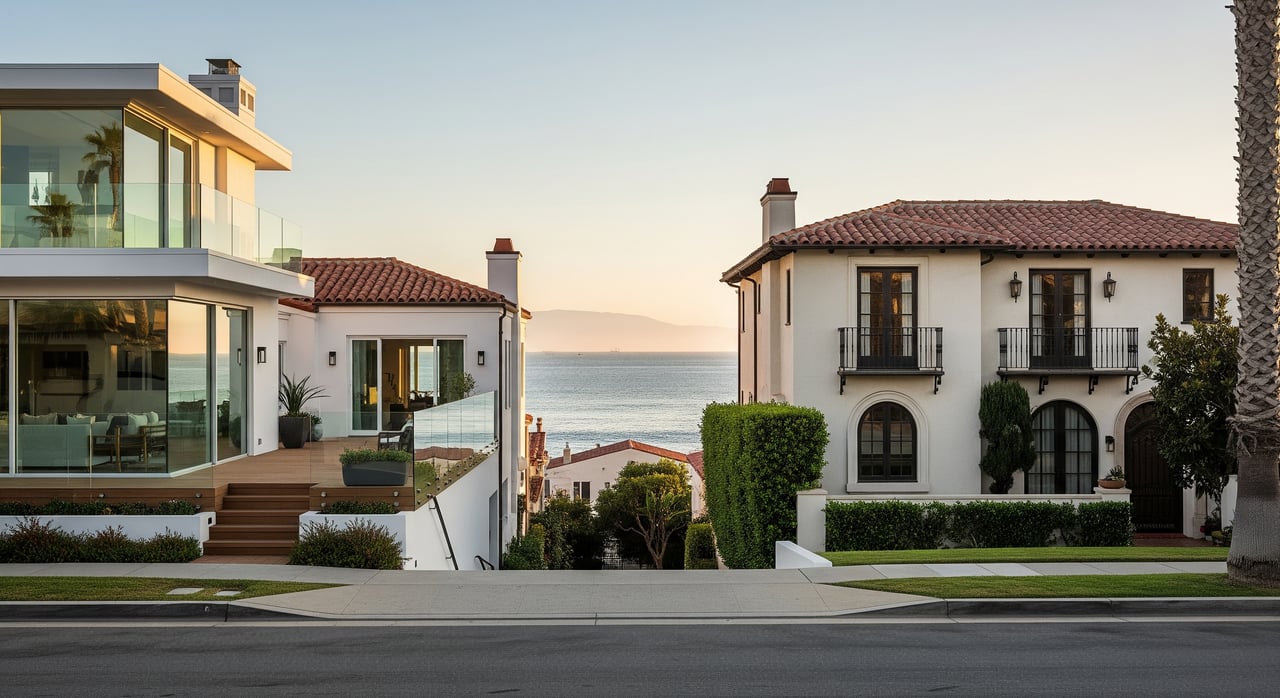
Are you torn between North and South Redondo? You are not alone. The same sunny city offers two distinct ways to live by the coast, and the right fit depends on how you want to spend your days, what you want to own, and what you plan to invest. In this guide, you will get a simple framework, practical checks, and local cues that help you focus your search with confidence. Let’s dive in.
Quick shortlist checklist
Use this four-step framework before you book tours:
- Step 1: Set your max purchase price and ideal housing type. Decide if you want a single-family home with a yard or a condo or townhome near the beach.
- Step 2: Pick your lifestyle priority. Choose between daily beach and marina access or quieter inland living with more space.
- Step 3: Match your priority to a likely subarea. South Redondo often fits beach and harbor life with more condos and small-lot homes. North Redondo often fits larger-lot single-family options on quieter streets.
- Step 4: Run practical checks. Review flood maps and insurance needs, parking and HOA rules, school assignment, and real commute times during peak hours.
Housing stock at a glance
South Redondo: closer to the water
South Redondo clusters around the shoreline, King Harbor, and the pier. You will see a higher concentration of condos and townhomes, along with small-lot single-family homes within walking distance to the beach. Many buildings were built in the mid to late 20th century, with newer infill and renovated properties sprinkled in. Lots tend to be narrower, and attached or semi-attached living is common near the pier and along PCH.
Cues on the street: small setbacks, multi-story condo buildings, and tighter on-street parking usually signal you are in the beach corridor. Expect a higher share of HOAs with monthly dues, shared amenities, and community rules that cover parking, pets, rentals, and renovations.
North Redondo: inland neighborhood feel
North Redondo leans more residential and often feels quieter day to day. You will find a greater proportion of traditional single-family homes on larger lots, with more private yard space and detached garages. Many blocks feature tree-lined streets and driveways. The housing mix includes early 20th century and mid-century homes, plus remodeled properties and some newer construction. You will see fewer high-density developments than along the beachfront corridor.
Ownership here is more often fee simple, which means fewer HOAs and more direct control over maintenance. That can be a plus if you prefer independence and yard space, but you will trade immediate beach walkability for a short drive or bike ride.
Price patterns and competition
Coastal proximity adds value in Redondo Beach. Homes with direct ocean views, immediate beach access, or harbor frontage typically command a premium over inland properties. The premium rises sharply for true beachfront or panoramic views.
If you want beach access at a lower entry price, smaller condos close to the pier or marina can be a strategic way in. Just remember to factor in HOA dues, potential rental limitations, and the tradeoff of less private outdoor space.
Inventory and competition also differ. In South Redondo, desirable beachfront and harbor units can move fast when a strong listing hits the market. In North Redondo, single-family inventory may ebb and flow with school-year seasonality, and you will often see more options with yards.
Appreciation can vary by property type. Coastal properties often appreciate well over multi-year cycles, but they can be more sensitive to interest rates and coastal regulations. Condos and small-lot homes may show different short-term trends than larger-lot single-family homes. For exact pricing, compare recent sold data for your target micro-areas before you write your offer.
Lifestyle and amenities
South Redondo: beach and marina access
- Walk-on access to the sand, The Strand, King Harbor, and the pier.
- Active pedestrian zones, seasonal tourism, and event days near the waterfront.
- Restaurants, coffee spots, and outdoor recreation at your doorstep.
South Redondo maximizes a car-light lifestyle. You can step onto the coastal bike path and connect to Hermosa and Manhattan Beach. The tradeoffs are more noise on event weekends, more parking regulation near the pier, and more visitors moving through your neighborhood.
North Redondo: quieter residential rhythm
- More neighborhood parks and local retail centers.
- Easier residential parking and fewer seasonal crowds.
- A short drive or bike ride to the Strand and beach cities.
North Redondo favors daily routines that include space, storage, and a calmer street scene. If you work from home or want a yard for pets or gardening, this area often fits the bill. You will still be close to the coast, but you will likely drive or bike there.
Practical checks buyers often miss
Buying near the coast includes a few details you want to verify early. Build these checks into your offer timeline:
- Flood and tsunami exposure. Shoreline and low-lying marina corridors can show higher flood and tsunami exposure. Ask your agent to check FEMA flood maps, request any elevation certificates from the seller, and get insurance quotes early. Coastal coverage can change your monthly carrying cost.
- Coastal zone and permits. Redondo Beach sits in California’s coastal zone. Major exterior changes and new builds near the shoreline may require extra review. If a home has recent exterior work, ask which permits were pulled and whether coastal approvals applied.
- Short-term rental rules. The city regulates short-term rentals. If you plan to rent part or all of your property, review the current ordinance and registration rules before you buy.
- Parking and guest capacity. In South Redondo, confirm assigned parking for condos and townhomes. Clarify whether spaces are side-by-side or tandem, and review guest parking rules. Near the pier, expect meters and permit restrictions on nearby streets.
- HOA dues and CC&Rs. For attached homes, review HOA budgets, reserves, special assessments, rental policies, and pet rules. Understand what the HOA covers vs what you handle.
- Utilities and assessments. Most homes tie into city utilities, but confirm any special district fees or assessments during escrow. Your preliminary title report will outline these items.
- Schools and boundaries. Redondo Unified School District serves the city, and boundary lines can influence demand for specific streets. Verify current assignment and enrollment policies directly with the district.
- Neighborhood context. Beachfront commercial areas can see more property and petty crime tied to tourism, while inland residential blocks may have different profiles. Review recent local police reports and ask about neighborhood watch programs.
North vs South: who each area tends to fit
This is not about better or worse. It is about how you want to live and what you want to own.
- Choose South Redondo if your top priority is daily beach and marina access, and you are comfortable with condo or townhome living or smaller-lot homes. You value walking to dining, biking the Strand, and being close to the action.
- Choose North Redondo if you want a larger lot and more private outdoor space, prefer fewer HOAs, and like a quieter residential feel. You do not mind a short drive or bike ride to the beach.
Touring smart: what to look for on the ground
When you tour, use your senses and ask the right questions.
- Street feel and noise. Visit at different times and days. Notice traffic near the pier in South Redondo or school pick-up patterns in North Redondo.
- Parking reality. In South Redondo, test how easy it is to park a second car or host guests. For condos, verify space numbers, size, and clearance.
- Sun, wind, and microclimate. Coastal blocks can feel cooler and windier. Inland streets can be warmer and more sheltered. Check outdoor areas during late afternoon and evening.
- Storage and lifestyle gear. If you surf or boat, confirm storage for boards and equipment. If you garden or have pets, confirm usable yard space and sun exposure.
- HOA readiness. If you are eyeing a condo or townhome, read meeting minutes for planned repairs or assessments. Ask about short-term and long-term maintenance plans.
A simple plan to move forward
Here is a clean way to make progress this week:
- Define your must-haves. Choose your top three priorities across space, access, and budget.
- Select two target micro-areas, one in North and one in South Redondo. Keep them small and specific.
- Pull fresh comps for your property type. Compare price per square foot, days on market, and inventory for the last 90 days.
- Run your practical checks. Insurance quotes, school assignment, HOA rules, and commute times during rush hour.
- Book tours and take notes. Rate each home on space, lifestyle access, and monthly cost after dues, insurance, and taxes.
When you evaluate side by side, the right fit usually becomes clear. You will see whether you prioritize the everyday ease of the beach and harbor or the space and quiet of inland living.
Ready to refine your search and see what is possible in both halves of Redondo Beach? Reach out to Cheryl-Lynn & Robert Real Estate for a curated list of on-market and private opportunities, plus practical guidance on permits, insurance, and HOA reviews.
FAQs
How do housing types differ between North and South Redondo?
- South Redondo features more condos, townhomes, and small-lot homes near the beach, while North Redondo tends to offer more traditional single-family homes on larger lots.
What lifestyle changes should I expect near the pier and harbor?
- You will enjoy easy access to the Strand, dining, and marina activities, along with more pedestrian traffic, seasonal events, and tighter parking rules on busy days.
Is flood insurance required for coastal Redondo Beach homes?
- It depends on the property’s FEMA flood zone; shoreline and low-lying areas are more likely to require added coverage, so verify the map and get insurer quotes early.
Are condos a practical path to beach access in South Redondo?
- Yes, condos can lower the entry price for a beach-centric lifestyle, but you should budget for HOA dues, review rental rules, and accept less private outdoor space.
How do HOAs affect ownership costs and flexibility?
- HOAs add monthly dues and set community rules for parking, pets, rentals, and renovations; review budgets, reserves, and CC&Rs before you commit.
Are short-term rentals allowed in Redondo Beach?
- The city regulates short-term rentals, often requiring registration and limiting operations, so confirm current rules and enforcement before buying as an investor.
Do school boundaries influence demand and pricing in Redondo Beach?
- School assignment can increase demand for certain streets; verify current Redondo Unified boundaries and enrollment policies to understand local competition.