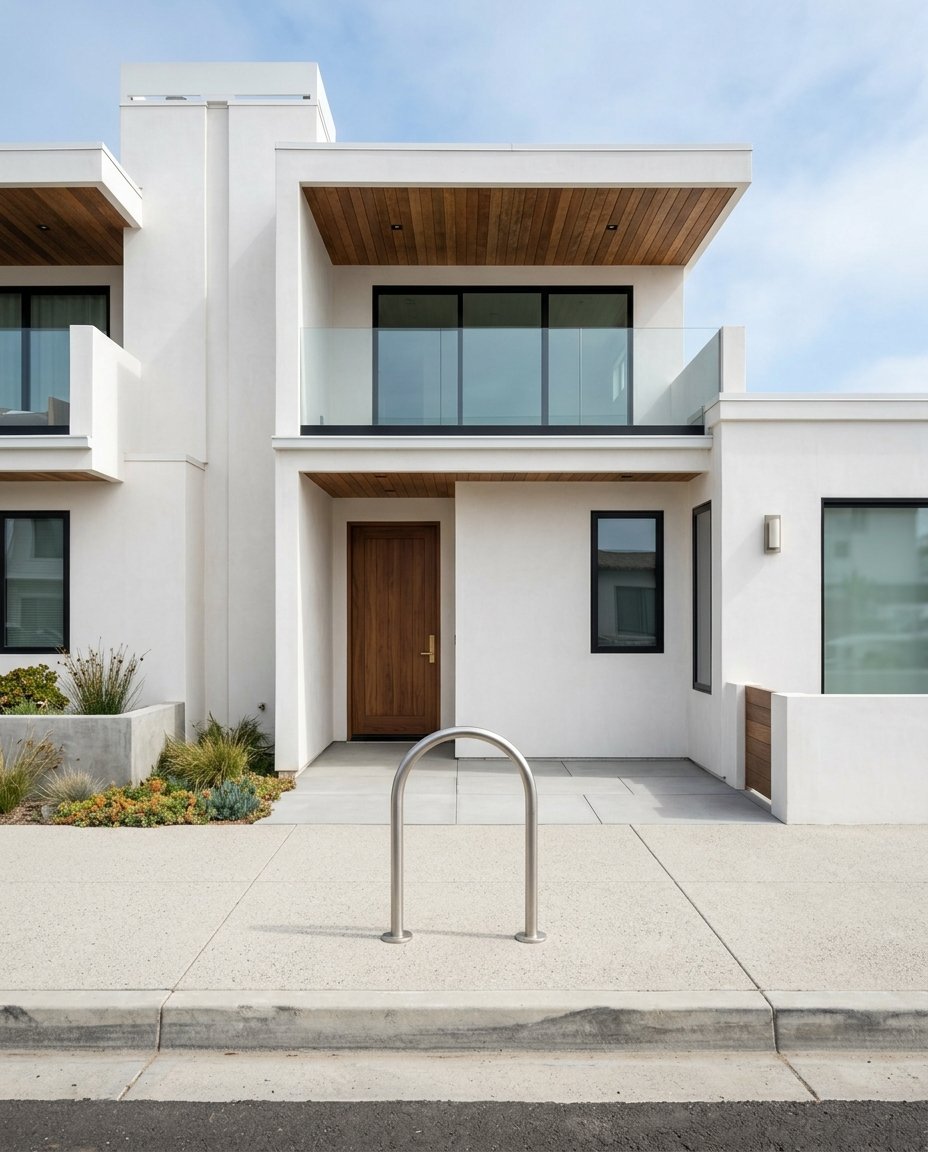
Ever wonder if you could really live in Hermosa Beach without relying on your car every day? If you are drawn to a coastal lifestyle where coffee runs, beach walks, errands, and even some commuting can happen on foot, by bike, or by bus, Hermosa Beach makes a strong case. Here is what car-free living in Hermosa Beach actually looks like, where it works best, and what to keep in mind before you make the move.
Why Hermosa Beach Works Car-Light
Hermosa Beach is compact by design. The city reports just 1.43 square miles of land area, about 19,728 residents, and 1.8 miles of beach frontage, with LAX roughly 6 miles to the north. That smaller footprint makes it easier to connect daily life around a few key areas instead of driving across a large city.
The most practical way to think about Hermosa is not as a place where every trip is car-free, but as a place where many trips can be. The city’s mobility resources emphasize active transportation, bike routes, and bus service, which supports a lifestyle built around walking, biking, and selective transit use.
For many residents, that means the easiest car-light routine happens when home, work, and errands stay close to the coast or along the main commercial streets. If your weekly rhythm fits that pattern, Hermosa Beach can feel unusually convenient.
Best Areas for Daily Walking
The heart of Hermosa’s walkable lifestyle is its coastal core. The city’s coastal zone includes the downtown core, civic center area, neighborhood commercial areas, and a mix of housing extending inland to Ardmore Avenue. In simple terms, many of the places you may want to visit regularly are clustered fairly close together.
Downtown Hermosa, Pier Plaza, Pier Avenue, Hermosa Avenue, Pacific Coast Highway, and Aviation Boulevard are the main corridors to know. These areas are where shopping, dining, services, and everyday activity are most concentrated, making them important reference points if you are trying to reduce car use.
Pier Plaza is especially central to the local lifestyle. The city describes it as a community gathering space where people can enjoy the scenery, visit businesses, and attend events. If you picture living in Hermosa and being able to walk out for a meal, meet friends, or spend time near the water, this is one of the anchors of that experience.
The Strand Is the Defining Car-Free Corridor
If there is one place that captures car-free living in Hermosa Beach, it is The Strand. The city describes it as a beachside biking and walking path and part of the 22-mile Marvin Braude Bike Trail, which runs from Torrance County Beach to Pacific Palisades.
For residents, The Strand can serve as both recreation space and practical route. It connects you to beach activity, scenic walking, and neighboring coastal destinations, all without getting in a car. That is a major lifestyle advantage if you value movement, outdoor time, and easy local access.
The city also makes clear that The Strand is meant for shared, careful use. Wheeled devices are limited to 8 mph, and the section between 11th Street and 14th Street becomes a walk zone when lights flash. Near the pier, rules are even tighter, and bicycles or scooters are not allowed on the pier itself.
Those details matter because they shape how the corridor functions in real life. The Strand is excellent for getting around at a relaxed pace, but it is not set up like a fast commuter lane.
Everyday Amenities Within Reach
A car-light lifestyle only works if day-to-day needs are close by. In Hermosa Beach, several public amenities support that routine.
The Greenbelt adds another useful layer to the city’s walkability. It includes exercise equipment and gives residents another route for outdoor movement beyond the beach. The city also reports more than 20 parks and parkettes, which helps spread out recreation space across town.
The Hermosa Beach Library is located at 550 Pier Ave, right in one of the city’s most active corridors. For many buyers considering a move, details like this matter because they show whether errands and public services can fit naturally into a walking routine.
Beach access is also built for everyday use, not just occasional visits. The city lists restrooms near 2nd Street, the Pier, 14th Street, and 22nd Street, along with Mobi Mats at 2nd, 11th, and 22nd Streets.
What Transit Looks Like in Hermosa Beach
Transit in Hermosa Beach is useful, but it works best when you think of it as part of a mix. The city’s transit options are bus-based, not rail-centered, so the strongest setup is usually walking or biking for short trips and using transit for selected regional connections.
Beach Cities Transit Line 109 is one of the key local routes. According to the city, it connects Riviera Village, Pier Avenue in Hermosa Beach, Downtown Manhattan Beach, Downtown El Segundo, Douglas Green Line Station, The Pointe, Plaza El Segundo, Aviation/LAX Green Line station, and the LAX Bus Center.
That makes Line 109 especially helpful for airport-area jobs, regional errands, and connections beyond the South Bay. If you live near the core of Hermosa, this route can widen your range without requiring a car.
The city also offers the WAVE Dial-A-Ride for seniors and disabled riders within Hermosa Beach and Redondo Beach, plus designated destinations in nearby communities. That service can be an important part of mobility for residents who need a more flexible option.
Regional Connections Without Driving
For broader South Bay travel, Torrance Transit Line 13 adds another useful connection. Current service includes stops along Hermosa Avenue at Lyndon, 2nd, 6th, and 10th Streets, as well as stops on Pier Avenue, before continuing toward Pacific Coast Highway, Artesia Station, and Harbor Gateway Transit Center.
For travel toward the LAX area, Metro notes that Line 232 runs between Long Beach and the LAX area or LAX/Metro Transit Center via Sepulveda Boulevard and Pacific Coast Highway. Beach Cities Transit 109 also serves the LAX/Metro Transit Center, which can make airport-area travel more manageable for residents trying to avoid driving.
If your commute is Downtown Los Angeles, LADOT Commuter Express 438 is the clearest weekday option mentioned in current transit information. The eastbound route includes a stop at Hermosa & 2nd before heading toward Union Station. It is best viewed as a schedule-based commuter tool rather than an all-purpose daily transit solution.
What a Car-Free Day Can Really Look Like
In practice, a car-free day in Hermosa Beach can feel simple and enjoyable. You might start with a walk, run, or bike ride on The Strand, stop near the pier, grab coffee or breakfast near Pier Avenue, and handle an errand later at the library, Greenbelt, or a local park.
The city’s beach and pier setup supports that kind of routine. The pier is open daily from 6 a.m. to 10 p.m., and accessible beach mats are available at several street access points. These details help show that local movement on foot is part of daily life, not just a visitor experience.
Weekly routines can stay fairly car-light too. The city’s farmers market takes place Fridays from noon to 4 p.m. at 1035 Valley Drive, giving residents another local destination that can fit into a walk or bike ride, depending on where they live.
For households planning around school travel, the city’s Safe Routes to School program is another sign that short-distance mobility is part of the local framework. The program supports walking, biking, or skating to school with tools such as crossing guards, valet programs, and trip-planning resources.
Where Car-Free Living Works Best
Hermosa Beach is most comfortable for car-free or car-light living when you stay close to the central coastal core and main commercial corridors. That is where the city’s compact layout, active transportation routes, and business districts work together best.
This lifestyle is often easiest for people whose work, errands, and social routine stay within the South Bay or the LAX corridor. If your regular destinations are farther inland or require frequent cross-county travel, you may still prefer having a car available.
That does not take away from Hermosa’s appeal. In fact, on busy summer weekends, the city says the beach can draw more than 100,000 people. For many residents, being able to walk or bike instead of dealing with traffic and parking is part of the value.
What Buyers Should Consider
If you are home shopping with a car-light lifestyle in mind, location inside Hermosa matters a lot. You may want to pay close attention to how close a property is to The Strand, Pier Avenue, transit stops, parks, and everyday services.
It also helps to think honestly about your routine. A home that feels ideal for a remote worker or someone with a South Bay-based schedule may feel less practical for a buyer with a long, inflexible commute outside the area.
This is where local guidance matters. In a market like Hermosa Beach, the right block, corridor, or micro-location can shape how convenient your everyday life feels long after move-in day.
If you are weighing Hermosa Beach against other South Bay neighborhoods, a local perspective can help you compare not just homes, but lifestyle fit. For buyers who want walkability, coastal access, and a more flexible daily rhythm, that comparison is often just as important as square footage.
When you are ready to explore Hermosa Beach and other South Bay coastal options, Cheryl-Lynn & Robert Real Estate can help you find a home that fits the way you actually want to live.
FAQs
Is Hermosa Beach a good place for car-free living?
- Hermosa Beach can work well for car-free or car-light living, especially if you live near the coast, Pier Avenue, or other main commercial corridors and keep most of your routine within the South Bay or LAX corridor.
What is The Strand in Hermosa Beach?
- The Strand is a beachside walking and biking path that runs through Hermosa Beach and forms part of the 22-mile Marvin Braude Bike Trail.
What public transit serves Hermosa Beach?
- Hermosa Beach is served by Beach Cities Transit Line 109, Torrance Transit Line 13, the WAVE Dial-A-Ride for eligible riders, and commuter options such as LADOT Commuter Express 438 on weekdays.
Can you get to LAX from Hermosa Beach without a car?
- Yes, Beach Cities Transit Line 109 connects Hermosa Beach to the LAX Bus Center and the LAX/Metro Transit Center area, offering a practical airport-area connection.
Which parts of Hermosa Beach are most walkable?
- Downtown Hermosa, Pier Plaza, Pier Avenue, Hermosa Avenue, and areas near The Strand are among the most practical parts of the city for walking and a car-light lifestyle.
What should homebuyers look for in Hermosa Beach if they want to drive less?
- Homebuyers may want to focus on proximity to The Strand, Pier Avenue, parks, the library, bus routes, and everyday services so daily errands and recreation are easier without a car.